
Also known as the 12-13 week scan, the Down Syndrome scan, the safety scan, first trimester screening.
A nuchal translucency scan is an ultrasound procedure that measures the nuchal translucency of your baby, which is a fluid-filled space behind your baby’s neck and delivered to the genetic centre. Prior to your scan, your GP or obstetrician will refer you for a blood test, which will also be sent to the genetic centre and analysed against your ultrasound. They will determine the likelihood of your baby having Down Syndrome and send your doctor a report.
We also do an early anatomy check just to make sure everything is where it’s supposed to be and growing nicely. The extra benefits of the nuchal scan are that you get to see your baby again and, if you book closer to 14 weeks, we can tell you with 99% accuracy the gender of your baby.
Book your appointment with us today.
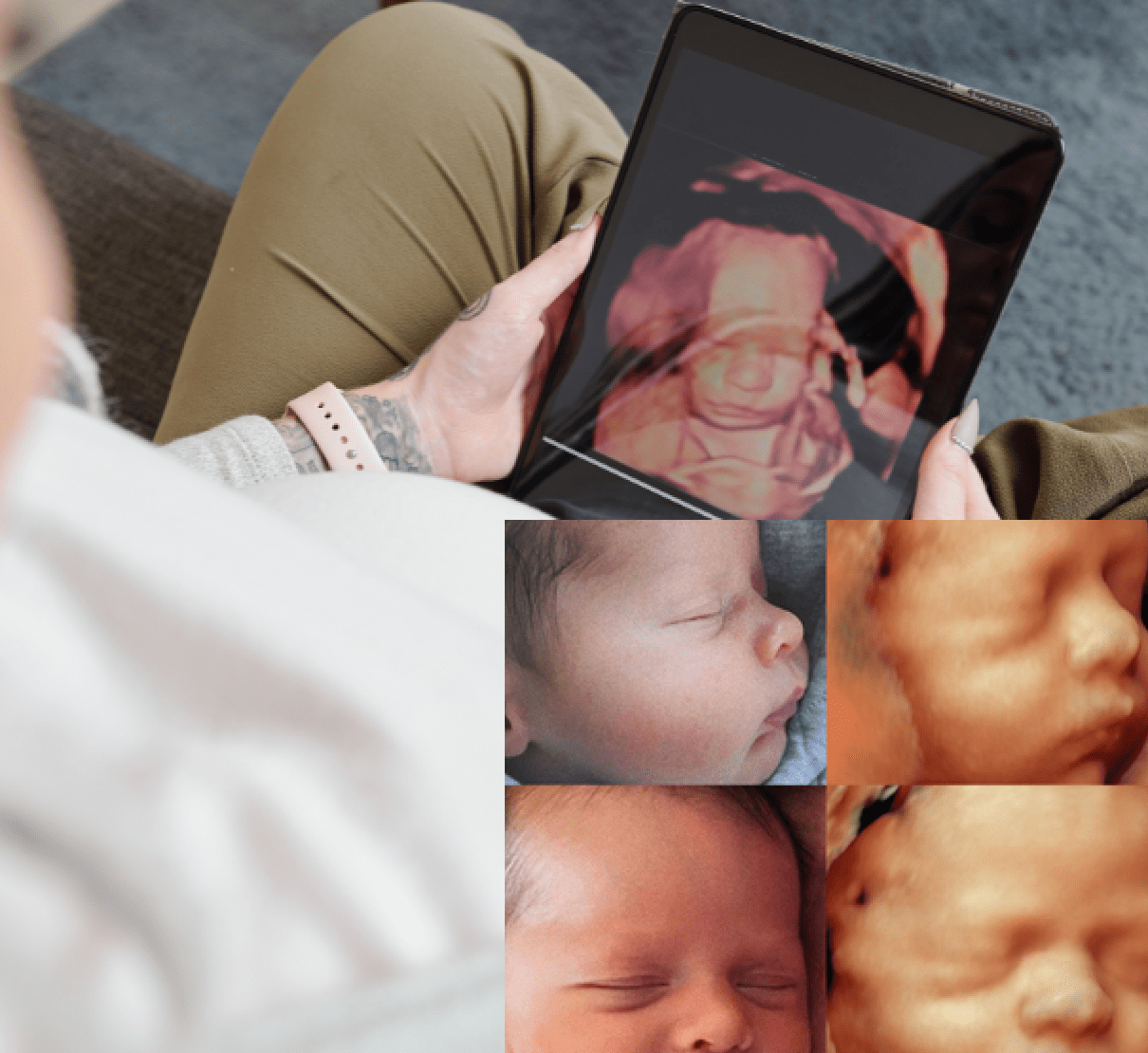
When to have it: 12-13w6d
Cost: $280 ($310 on weekends), and then a rebate of $59.50. *Extra fee of $30 for gender determination.
Duration: 30 minutes
What’s included:
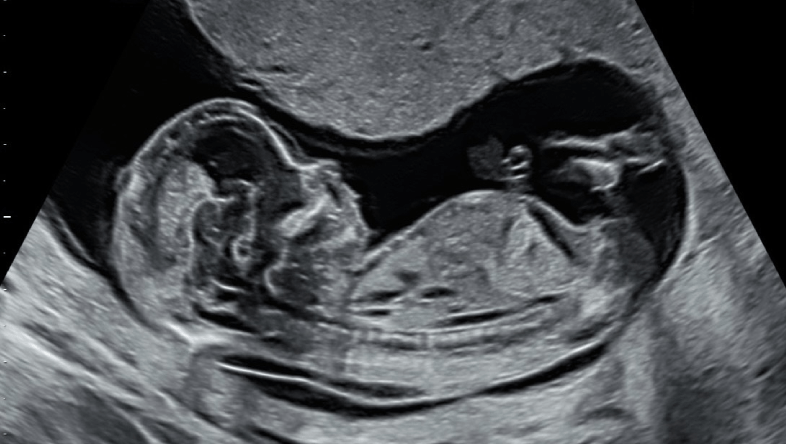
The nuchal translucency scan is a safe and non-invasive prenatal test that can be used to screen for certain birth defects, including Down syndrome. The test is performed during the first trimester of pregnancy and involves using ultrasound to measure the thickness of the nuchal fold, which is the skin at the back of the baby’s neck. A high nuchal translucency measurement may be an indication of Down syndrome or another chromosomal disorder.
The nuchal translucency scan is usually performed between 12 and 14 weeks of pregnancy. The test is often combined with a blood test, which can further increase its accuracy.
The nuchal translucency scan is usually performed between 12 and 14 weeks of pregnancy.
The nuchal translucency scan has several benefits. It can help to determine the risk of the fetus having certain chromosomal abnormalities, such as Down syndrome. It can also help to assess the risk of other conditions, such as heart defects
You should drink some water before the scan so that your bladder is full. This helps to improve the quality of the images.
During your nuchal translucency scan, a sonographer will use a transducer to emit high-frequency sound waves through your abdomen and measure your baby from crown to rump. Your sonographer will check if the fetal age is accurate. After that, he or she will measure the thickness of the nuchal fold on the screen. Together with your age and your baby’s gestational age, these measurements will be used to calculate the probability of a chromosomal abnormality. Although this number cannot give you a definitive diagnosis, it can help you decide whether or not you should undergo further testing.