
Also known as the third trimester scan or the well-being scan.
The growth scan is an extra ultrasound requested by your doctor for specific reasons.
A growth scan is performed to monitor your baby’s development. This scan is usually requested by your GP or specialist.
– If you’re considered high-risk for preterm birth
– If you have diabetes
– If you have had a previous baby with intrauterine growth restriction (IUGR)
– If you have twins or triplets
We’ll also check the weight of your baby, look for low-lying placenta, check any structural abnormalities and clarify anything outstanding from the Morphology.
Book your appointment with us today.
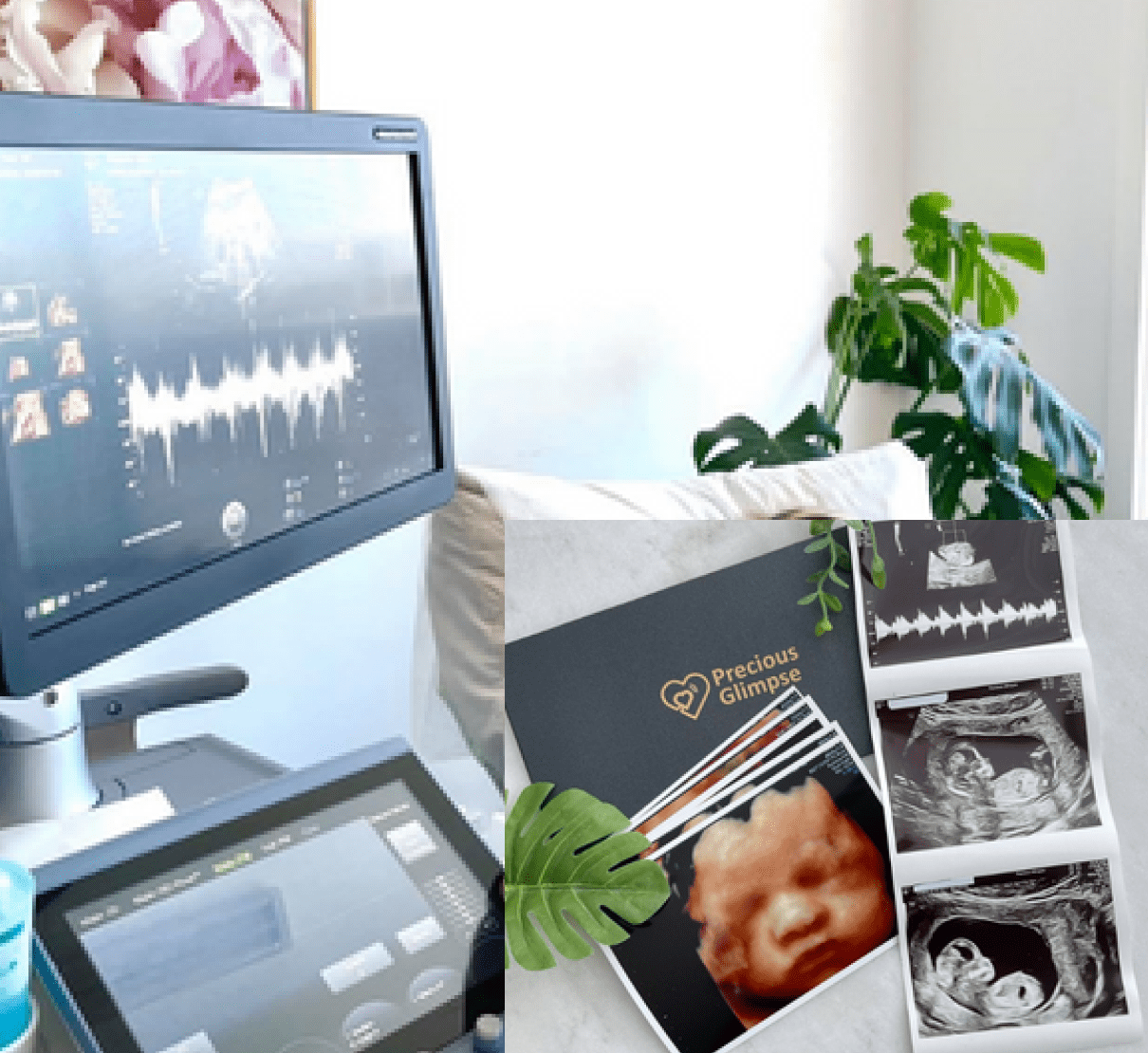
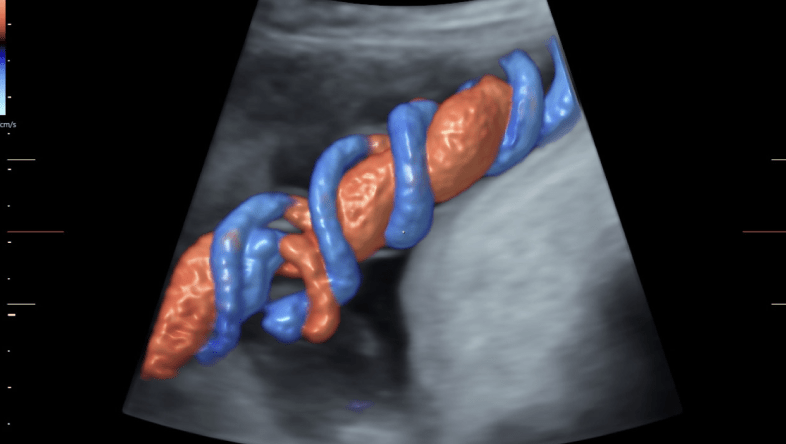
When to have it: anytime, and possibly multiple times, from 22 weeks
Cost: $320 (weekends $350) and then a rebate of ~$91
Duration: 40 minutes
What’s included:
Growth scans are safe for both mother and baby. They use ultrasound waves, which are harmless to you and your baby. If you have any concerns about the safety of this procedure, please speak to your doctor or midwife.
Your doctor or midwife will usually offer you a growth scan from 22 weeks of pregnancy. If you are considered to be at high risk of having a baby with a low birth weight, you may be offered a growth scan earlier in your pregnancy.
A growth scan can help to give you and your doctor or midwife peace of mind that your baby is growing as they should be. If there are any concerns about your baby’s growth, you will be offered further tests and monitoring.
You do not need to do anything special to prepare for a growth scan. You may be asked to drink some water before the scan, as this can help to fill up your bladder. A full bladder helps to push your uterus up and out of the way, making it easier to see your baby.
The scan usually takes around 30-40 minutes. During this time, the sonographer will take some measurements of your baby. They will measure the circumference of their head (head circumference or HC), the length of their body from their head to their buttocks (abdominal circumference or AC) and the length of their thigh bone (femur length or FL). The sonographer may also look at how much amniotic fluid there is around your baby (amniotic fluid index or AFI).